Call Anytime
Call Anytime
Send Email
133 N. Locust Hill Dr., #116,
GENERATORS IN CENTRAL KENTUCKY
Keep your home and business safe during outages with a permanently installed generator from CRC.

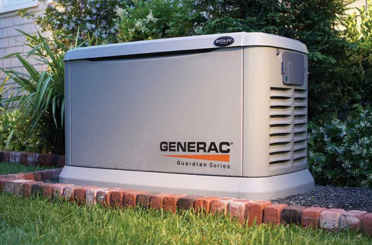
Automatically restores power within seconds of an outage-so you can keep living comfortably and safely.
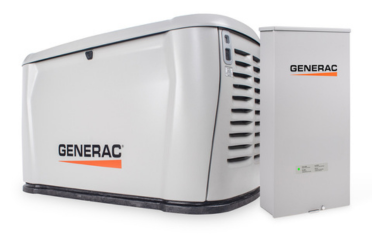
Safe, seamless power transfer
Protects your appliances and systems
Works with portable generators
Expert installation
A transfer switch connects your generator safely to your home’s electrical system.
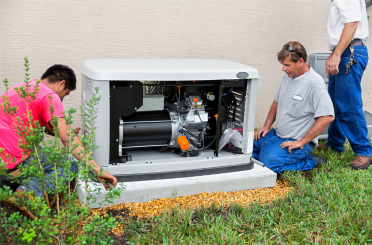
Keep your generator ready
Routine inspections
Performance testing
Priority service
Regular maintenance ensures your generator starts when you need it most.
Heat, AC, lighting, and appliances stay on.
Avoid food loss, frozen pipes, and security risks.
A generator is a smart investment.
No manual start - your generator turns on automatically.
Power outages can happen anytime!
A generator keeps the lights on and life running.
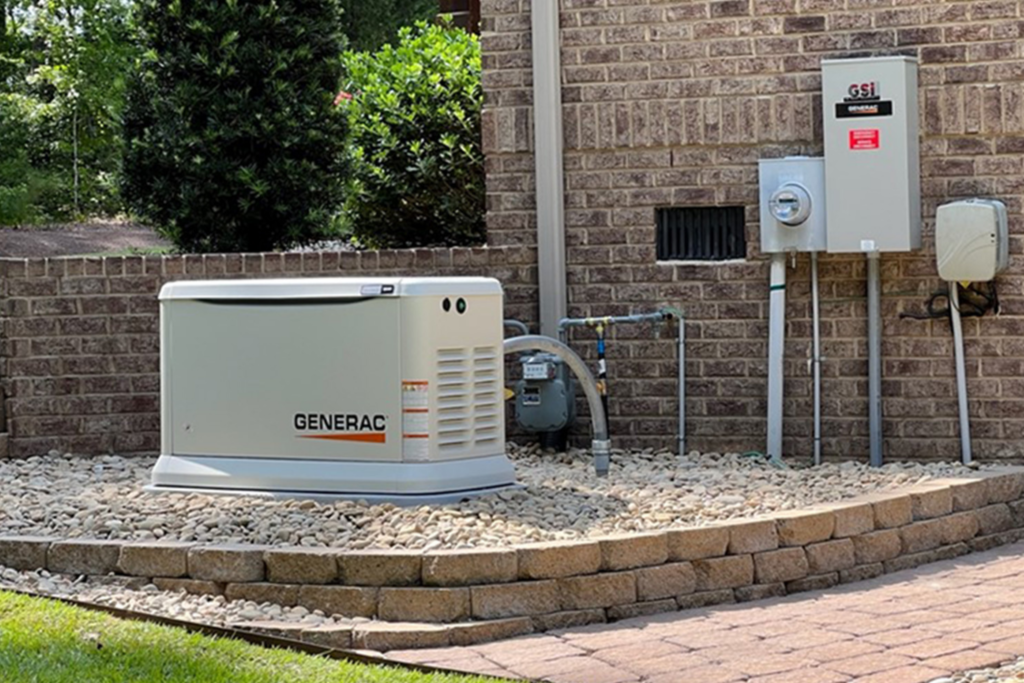
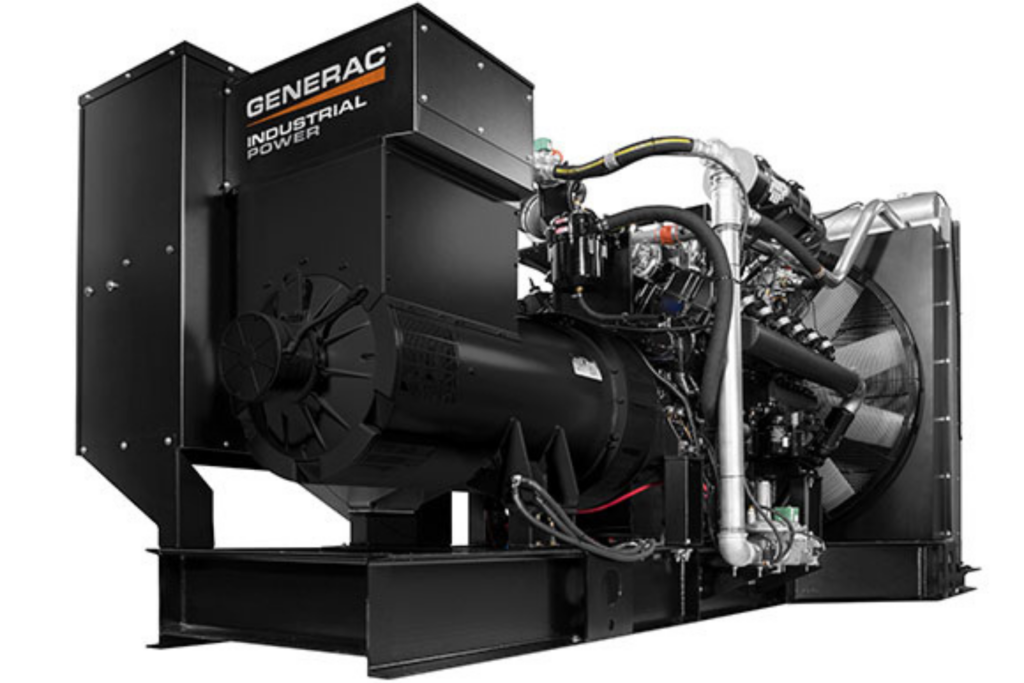
We assess your needs and recommend the right solution.
You'll receive a clear, transparent quote with no surprises.
Our certified team installs your generator and transfer switch with precision.
We test everything to ensure your generator is ready when you need it.
We're here for maintenance and support long after installation.
Posted on Google
 The Steel Gamers TSG21 April 2026
Trustindex verifies that the original source of the review is Google.
I had the roof done on our house and they went above and beyond. They did our front porch and back roof. No problems so far and they have been very quick and accommodating. My salesperson was Tim Engel and he was very professional. Would recommend them to anyone especially for the price and warranty.Posted on Google Danielle Johnson16 February 2026
Trustindex verifies that the original source of the review is Google.
I've used CRC in the past for a few things at my home, a rotted soffit, leaking around our chimney, Jose and Sean were my go to. Always very punctual and dependable. This year we had an issue with 'nail pops' on the roof causing water damage in our garage. I reached out like I always have, but this go round the communication wasn't the same. In times past, things were taken care of immediately, this go round its been exactly 2 weeks since reaching out. While I will give grace, there was a massive ice storm that had to defrost and caused a lot of issues to many homes, when someone did come out, only part of the issue communicated was looked at. Furthermore, when I was told someone would be at my residence to look at the rest, they were almost 4 hours after I was told they would be here. The communication this time wasn't what I had grown to expect. Granted, I called Sean directly instead of the main number because thats what ive done in the past. Granted, he now has a new position within the company that could have caused some of these hiccups. I will take responsibility for that. This was the first time I felt like a small job for them. While my immediate thought has always been to call Sean and Jose, next time there will be a hesitation.Posted on Google Wendy Allen21 January 2026Michael is amazing to work with! His honesty and integrity shine through.Posted on Google
 Amy Hazlett20 January 2026Mike is great at helping people navigate the process of getting their roof repaired correctly! He is so helpful working with insurance. I highly recommend CRC Roofing.Posted on Google
 Kimberly Miller27 November 2025My apartment building, built in 1908, was the ugliest house on the block! Now thanks to these guys it’s the most beautiful house on the block! The roof and siding were done in a timely manner. The contacts I worked with, Sean and Willy were knowledgeable and helpful! I wholeheartedly recommend them - no reservations!Posted on Google
 Josh Begley12 November 2025The CRC folks I interacted with were nice, informative, and showed up when they said they were going to show up. I was able to replace my current roofing within a few weeks. Appreciated their explanation of their different products and the warranty nuances between companies. A few minor cosmetic issues after the install but they were quick to remediate. They do need to work a little on communicating but I think is a general issue with all contractors - at least the ones I’ve worked with over the years. They were also a fraction of the price of the 4-5 other roofers I reached out to. I would recommend.Posted on Google
 Stacey Haymes12 November 2025CRC replaced our roof in 2008 after hail damage. Rusty and his crew did an amazing job—excellent crew, doing excellent work in reasonable time. When we needed to replace our roof this year due to tree damage, CRC is who I called. Again, they provided excellent service by an experienced and attentive crew. Craig was our project manager this time and he was responsive and helpful. I’ve used CRC twice now and wouldn’t hesitate to call them again. CRC is a great local company. I highly recommend them!Posted on Google
 Gary Hall5 November 2025I recommend this company to anyone that needs a new roof. Great communications with them throughout the process . A supervisor was on site the entire time Keith knows his stuff .They completed my roof in a day and a half super job , cleaned up all the debris and nails . My wife and I couldn't be any more pleased.Posted on Trustindex
 Joanna Moore24 October 2025
Trustindex verifies that the original source of the review is Trustindex.
CRC Roofing Craig, Keith and team did a great job on our house & garage roof! Got an estimate and Craig kept in touch and worked with me. Keith came out to make sure all material was delivered and the team was here and they had our roof done in no time. They were all very polite and cleaned up the mess as they went along making sure nothing blew into the neighbor’s yard. I highly recommend CRC to anyone needing a roof done! Great, friendly, easy to work with, people! I love my roof! 🥰Posted on Google shirley terry22 August 2025Might I say that this group of people worked hard and completed their job in one day. They cleaned up all they had messed up which I appreciated so very much. Even though the outside temperature was in the upper 90s, they kept working and did their job the way it was intended. In my 83 years of life, I have never met such friendly and caring business people as CRC. I am very satisfied with this company and highly recommend them to anyone who wants their job to be of 100% satisfaction. Thank you, CRC, for keeping excellency in your work.Posted on Google
 Pentastar Veesyx31 July 2025The job CRC done for us was finished quick and the work was quality. Communication was prompt and effective. We’re very happy with our results and we’d be happy to use CRC again.
The size of the generator you need depends on the total wattage of the appliances and equipment you want to run during a power outage. For homes, a generator between 18,000 and 24,000 watts usually suffices for essential needs, whereas commercial spaces might require anywhere from 36,000 watts to over 50,000 watts, based on operational requirements.
Residential generators should be serviced at least once a year or after 200 hours of use, whichever comes first. Commercial generators, due to their heavier usage, might require more frequent checks, typically every six months or after 100 hours of operation.
Yes, with the proper sizing, a generator can power an entire house or commercial facility. It's essential to calculate your total power needs to select a generator with adequate output to handle all your critical systems and equipment.
A standby generator is permanently installed and automatically activates when a power outage occurs, providing seamless power recovery. Portable generators, on the other hand, are mobile, require manual setup and operation, and are ideal for temporary power needs or smaller areas.
Generators are designed to operate in various weather conditions, but it is crucial to ensure they are properly installed with a cover or in a generator enclosure to protect from direct exposure to rain, snow, and extreme temperatures. Safety guidelines must always be followed to prevent risks like carbon monoxide poisoning or electrical hazards.


© All Copyright 2026 by CRC Roofing & Renovations, Inc. | All rights are reserved.