

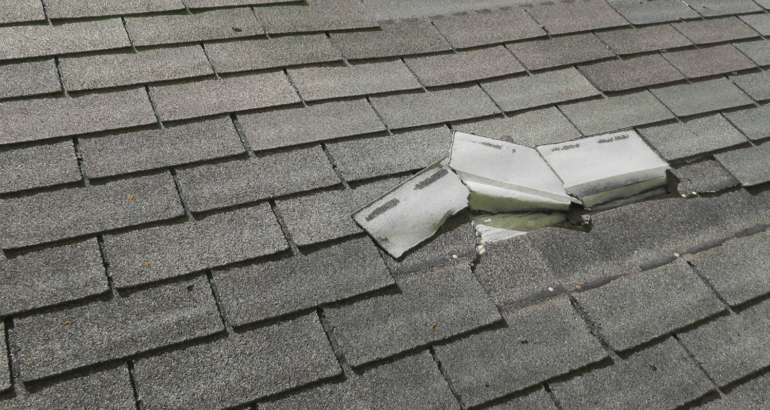
Kentucky winters can be unpredictable, mild one week, freezing the next. While your home weathers those dramatic temperature swings, your roof absorbs the impact quietly. Many homeowners don’t realize that winter is often when hidden roof damage begins, and it isn’t until early spring storms arrive that small issues suddenly become major repairs.
To avoid expensive surprises, here are the winter roof weak spots every Kentucky homeowner should be watching closely, plus how CRC Roofing & Renovations can help you catch them before they turn into bigger problems.
Attic Condensation: A Silent Moisture Trap
Cold air outside + warm indoor air rising = a perfect formula for attic condensation.
When moisture becomes trapped, it can:
- Soak insulation
- Lead to mold growth
- Weaken roof decking
- Reduce overall energy efficiency
If your attic smells musty, feels humid, or shows damp spots on the insulation, it’s time for a professional inspection. Proper ventilation and sealing make a huge difference – especially during Kentucky’s freeze-thaw cycles.
Flashing Shrinkage Around Chimneys & Vents
Metal flashing expands in the heat and contracts in the cold. After months of winter temperature swings, flashing can pull away from the roof, creating gaps where water sneaks in.
These small separations cause:
- Slow leaks that go unnoticed
- Staining on ceilings or walls
- Structural wood deterioration
Because flashing problems often hide under shingles, only a trained eye can catch them early.
Ice-Related Wear You Won’t Notice From the Ground
Even when Kentucky doesn’t get heavy snow, the freeze-melt-freeze pattern can still create ice buildup along eaves.
Ice can:
- Force water backward under the shingles
- Damage the underlayment
- Stress your gutters
- Cause shingles to crack or lose granules
Ice-related damage is subtle but can shorten the lifespan of your entire roof system.
Gutter Sagging & Hidden Weight Damage
A sagging gutter is more than just an eyesore; it’s a red flag. Winter debris, ice, and expanded seams can overload gutters, causing them to pull away from the home.
Left unaddressed, sagging gutters can:
- Send water straight toward your foundation
- Lead to fascia board rot
- Create overflow that erodes landscaping
A quick winter check could prevent costly spring repairs.
Shingle Lift During Strong Winter Winds
When cold, dry air passes through Kentucky, shingles can stiffen and lose flexibility. Combine that with seasonal wind gusts, and shingles may begin to lift or curl.
Signs include:
- Edges rising up
- Exposed nail heads
- Granule loss on the ground or in gutters
Lifted shingles reduce your roof’s ability to shed water – and spring storms will take advantage of that weakness.
Why Winter Damage Matters in Spring
The biggest issue with winter roof problems isn’t what happens during the cold months—it’s what happens afterward. Spring brings heavy rain, wind, and storm systems. Any small winter weakness becomes a major vulnerability.
Catching these issues early can save thousands in repairs and prevent interior water damage.
Schedule Your Early-Season Roof Checkup with CRC
Before the spring storms roll in, give your home the protection it deserves.
At CRC Roofing & Renovations, we specialize in spotting the hidden winter damage Kentucky roofs face every year. A quick, professional inspection now is the easiest way to ensure your roof is ready for the season ahead.




10 thoughts on “Winter Roof Weak Spots: Hidden Issues Kentucky Homeowners Should Catch Before Spring”
Comments are closed.